


Registration for Hot Topics 2026 has now closed.
This year’s theme is “Engaging Spaces, Strategic Design.”
Presentations will highlight innovative approaches to redesigning existing spaces. Libraries are adapting to meet diverse needs, including accommodations for special populations, dynamic programming areas, advanced technology integration, sustainability features, and community collaboration zones. NEFLIN’s 2026 Hot Topics Conference will help you create welcoming, functional spaces that inspire learning, connection, and creativity.
Date: Thursday, April 16, 2026
Time: 9:00 am – 4:00 pm
Location: Schultz Conference Center, Jacksonville
 NEFLIN will hold a raffle at the 2026 Hot Topics Conference to support the Jim Morris Continuing Education Fund. We will be raffling off two items: a Live Video Streaming Kit valued at $139.99 and a Literary Clock valued at $209.00.
Find out more and purchase your raffle tickets by using the button below.
The JMCEF provides financial support to NEFLIN members for conferences, training, and other professional development opportunities. Find out more at http://www.neflin.org/jmcef.
Keynote Panel:
Funding the Future: Securing, Engaging, and Designing for Your Library’s Vision
Money matters — but vision matters even more. Libraries today are asked to do more with less, stretching tight budgets to meet rising community expectations. This session demystifies the fundraising and budgeting process by bringing together proven strategies from the perspectives of library leadership, community engagement, and design innovation.
Presenters:
Pat Losinski – Library Services Senior Advisor, Gresham Smith

Melissa Schneider
Director
Winter Park Public Library

Pat Losinski
Library Services
Senior Advisor
Gresham Smith

Steve Powell
Director/CEO
Orange County Library System
Melissa Schneider Bio
Melissa brings a wealth of knowledge and experience to her role as Executive Director at the Winter Park Library. Prior to being appointed Executive Director, Melissa served as the Assistant Director and as the Interim Director.
She earned her B.A. from Rollins College, where she graduated Summa Cum Laude and was nominated for Outstanding Graduating Senior. She earned her M.A. in Library and Information Studies from the University of South Florida. Melissa is also a graduate of the Sunshine State Library Leadership Institute, Leadership Winter Park, and Leadership Orlando.
Melissa has been recognized for her outstanding achievements and contributions, earning honors as one of Orlando Magazine’s 2022 Women of the Year, Winter Park Magazine’s 2023 Most Influential People, and Orlando Business Journal’s 2024 Women Who Mean Business. In 2025, she was recognized as the Community Partner Award recipient by The REED Charitable Foundation.
A passionate advocate for literacy, education, and community engagement, Melissa is deeply involved in philanthropic initiatives. She has spearheaded programs and partnerships that expand access to resources, foster lifelong learning, and enrich the cultural fabric of Winter Park. Her commitment to service extends beyond her professional role, as she actively contributes to organizations and causes that support education and community development.
Pat Losinski Bio
Pat Losinski has 35 years of public library experience at libraries in Ohio, Illinois, and Colorado. He recently retired as the CEO of the Columbus Metropolitan Library in 2024.Steve Powell Bio
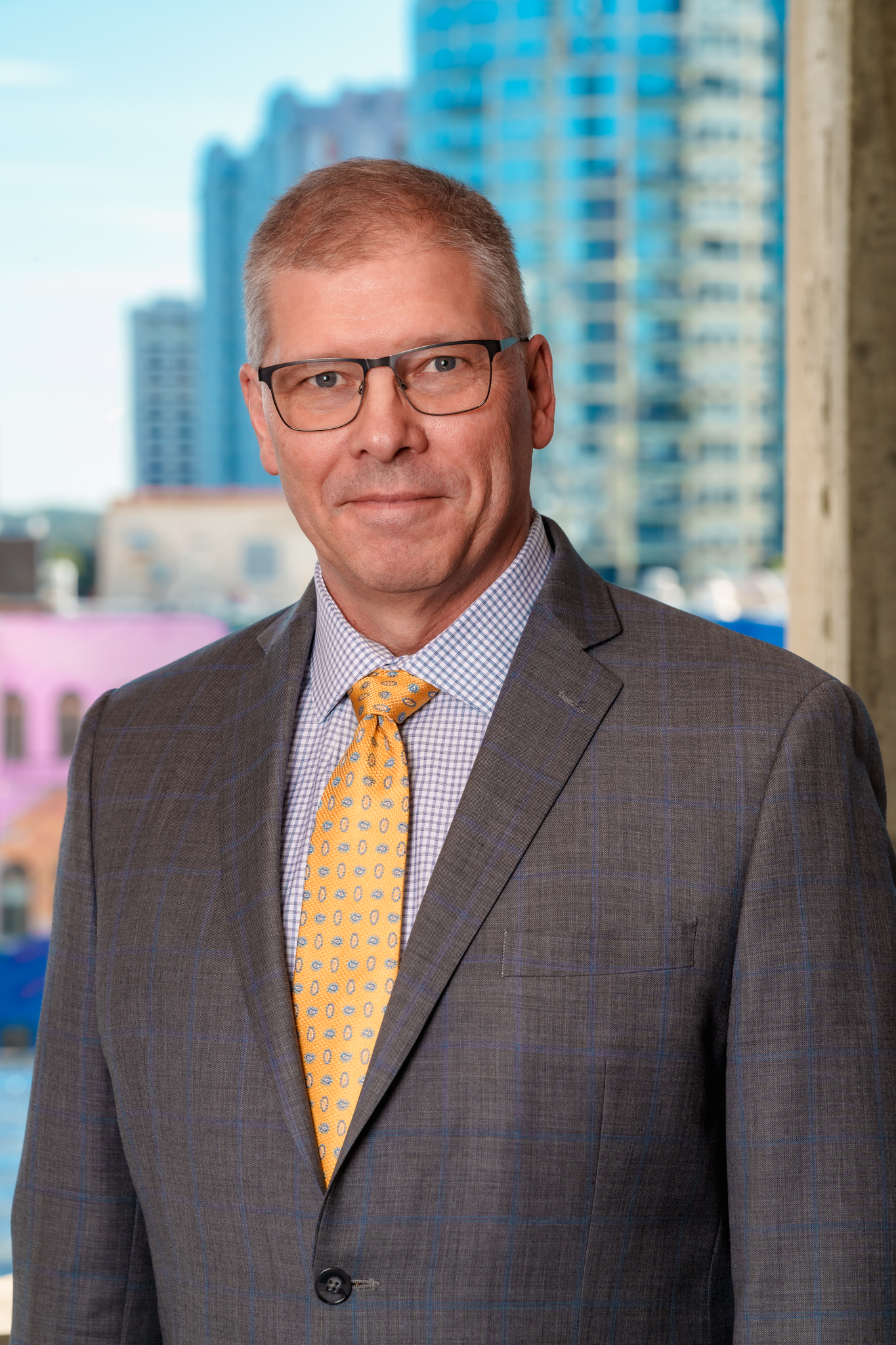 Steve Powell serves as the Library Director and CEO of the Orange County Library System in Orlando, Florida. Under his leadership, OCLS has become a more user-friendly, accessible, and welcoming place for everyone. He fosters a workplace culture that makes the library a great place to work, while advancing strategic initiatives that support lifelong learning, strengthen partnerships, and expand access.
Agenda
9:00-9:30 - Registration and Continental Breakfast
9:30-9:45 - Welcome
9:45-10:45 - Keynote Panel
Funding the Future: Securing, Engaging, and Designing for Your Library’s Vision
Description:
Money matters — but vision matters even more. Libraries today are asked to do more with less, stretching tight budgets to meet rising community expectations. This session demystifies the fundraising and budgeting process by bringing together proven strategies from the perspectives of library leadership, community engagement, and design innovation.
Presenters:
Pat Losinski – Library Services Senior Advisor, Gresham Smith
10:45-11:00 - Break
11:00-11:45 - Concurrent Session 1
Track 1: Strategic Space Planning & Specialized Library Functions
Location: Gentry B/C
Redefining Library Spaces: Establishing the Allen Lastinger Center for Florida History
Presenters: Jennifer Murray, Paul Mosley, Hilary Streifer; University of North Florida Thomas G. Carpenter Library
Academic libraries are evolving beyond their traditional roles to become dynamic hubs of innovation, collaboration, and learning. This presentation will focus on the creation of the Allen Lastinger Center for Florida History at the UNF Thomas G. Carpenter Library and will demonstrate how reimagining library space can foster interdisciplinary research, enhance academic engagement, and create a global resource for scholars, researchers, and community members. Attendees will gain insights into the planning, implementation, and management of a research center within an academic library, with a focus on lessons learned, continuous evaluation, and adaptability to meet the evolving needs of the academic community.
________________
Track 2: Transformative Renovation & Future-Forward Libraries
Location: Room 159
Revitalizing Jacksonville’s Urban Branch Libraries to Address the Needs of the Community (Brentwood Branch Library)
Presenter: Christopher Allen, Haskell
This architecture-based presentation will focus on innovative ideas for revitalizing Jacksonville’s urban branch libraries to address the needs of the community. The focus will be on the current Brentwood Branch Library project.
________________
Track 3: Designing for Accessibility, Belonging, & Well-Being
Location: Room 162
Free to all? How to Produce Environments that Encourage Welcoming and Belonging
Presenter: Jeffrey Hoover, Tappe Architects
Planners and designers (who are always working in the future) need to imagine a library future that transcends current goals and obstacles. So, as we rewrite and expand the narrative around the traditional library goal of being “Free To All” we will need new understandings of how exterior architectural expression, interior architectural environments and even library site/landscape design can reflect broad spectrum community identity and reinforce broad spectrum community participation.
________________
Track 4: Spaces for Children, Teens, & Emerging Learners
Location: Room 163
Creating Inspiring, Functional Spaces with Limited Space or Budgets for Your Youngest Users
Presenter: Brooke Breiner, HBM Architects
Children’s areas are often the heart of the library — a place of wonder, discovery, and community connection. But how can libraries of all sizes create inspiring, functional spaces for their youngest users, even with limited square footage or budgets? In this session, interior designers explore innovative design strategies for creating vibrant and flexible children’s areas in libraries of every size. Whether you’re planning a full renovation or just looking to refresh your existing space, this session will leave you with actionable ideas and inspiration to make your children’s area a true destination.
11:45-12:00 - Break
12:00-1:00 - Lunch and Vendor Time
The following vendors will be available for consultations throughout the day:
1:00-1:45 - Concurrent Session 2
Track 1: Strategic Space Planning & Specialized Library Functions
Location: Gentry B/C
Library Design with Nature in Mind
Presenters: Marcel Maslowski and Keenan Johnson, FGM Architects. Nancy Fredericks, Retired, Pasco County Library System (Panel Discussion)
When libraries plan new spaces, they aren’t just building for function—they’re shaping environments that affect community health, staff morale, and long-term sustainability. Research shows that Incorporating nature into building design improves staff and patron health and wellness. The term library designers use when incorporating nature into interior spaces is ‘biophilia,’ the idea that humans are wired to connect with the natural world. In this session, you’ll learn how to incorporate nature into new and remodeled library buildings. The presentation will include examples of library facilities designed using biophilic concepts.
________________
Track 2: Transformative Renovation & Future-Forward Libraries
Location: Room 159
Working With What You’ve Got: Reorganizing Existing Library Spaces with Existing Assets
Presenter: Brandy Black, Clay County Public Library System
Discusses the many changes the Clay County Public Library System has made (and are in the process of making) over the last decade or so to create warm, engaging, comfortable places for people to spend time with us in the library. The session will focus on better utilizing the furniture and space you already have without a huge outlay of funds.
________________
Track 3: Designing for Accessibility, Belonging, & Well-Being
Location: Room 162
Community Collaboration in Action: Creating a Sensory-Friendly Library Space
Presenter: Rachael Elrod, University of Florida
As academic libraries seek innovative ways to redesign existing spaces to better support diverse user needs, sensory-friendly environments have emerged as a critical yet often underexplored approach. This presentation describes the creation of a Relaxation Room in an academic library designed to support neurodivergent students and others seeking a low-stimulation space for regulation, rest, and focus. The project was grounded in a survey of students that explored their experiences in library spaces, sensory challenges, and desired supports. Survey findings directly informed decisions about room purpose, design elements, policies, and furnishings. The library also partnered with campus experts outside the libraries, including professionals in disability services, counseling, and student wellness, to ensure the space reflected evidence-based practices and aligned with broader institutional support structures.
________________
Track 4: Spaces for Children, Teens, & Emerging Learners
Location: Room 163
Designing for Interaction: Immersive Environments in Children’s Libraries
Presenter: Mandy Wannen, Kaleidoscope
This presentation explores the design and impact of interactive children’s libraries that engage young users through immersive interior environments. By thoughtfully integrating thematic elements, adaptable furniture, and dynamic lighting, these spaces move beyond traditional reading rooms to become experiential learning landscapes.
2:00-2:45 - Concurrent Session 3
Track 1: Strategic Space Planning & Specialized Library Functions
Location: Gentry B/C
Renovations Big and Small: Future-Forward Libraries on Today’s Budget
Presenters: Amy Hardin, Gresham Smith
Library leaders everywhere face the same challenge: how to adapt and renovate facilities for future needs while working within today’s financial realities. Whether tackling minor updates or large-scale capital projects, decision makers must balance vision, funding, and community expectations — all while ensuring that renovations remain flexible and resilient for decades to come. This session will equip attendees with strategies to plan multi-tier renovations that can be phased in over time, ensuring long term goals stay on track while incremental funding is secured. Participants will also learn how to evaluate existing infrastructure and make informed, budget conscious decisions — selecting durable materials, identifying underperforming spaces, and maximizing limited resources.
________________
Track 2: Transformative Renovation & Future-Forward Libraries
Location: Room 159
Libraries as Community Resilience Hubs
Presenter: Lindsey Piant Perez, Little
I bring an interdisciplinary perspective at the intersection of resilience planning, the built environment, and community-centered design, with a focus on the role of public spaces, such as libraries, in supporting community resilience. My work explores how these trusted, accessible civic places can be intentionally designed, retrofitted, and programmed to serve as resilience hubs that support communities before, during, and after disruptions such as extreme heat, flooding, public health crises, and social or economic stressors. Drawing from resilience frameworks, risk assessment methodologies, and real-world implementation in public-sector and community projects, I focus on translating high-level resilience goals into practical, scalable strategies.
________________
Track 3: Designing for Accessibility, Belonging, & Well-Being
Location: Room 162
Wellbeing by Design: Using Biophilic Spaces to Transform User Experience
Presenter: Trina McCowan-Adams, Flagler College
Libraries are rapidly evolving to meet the diverse sensory, cognitive, and aesthetic needs of today’s learners. At Flagler College’s Proctor Library, this evolution sparked a series of redesign initiatives that combined sensory-friendly study environments with a refreshed visual identity shaped directly by student feedback. This session introduces Cultivating Calm and Color, a project that transformed underperforming or visually discordant areas into welcoming, purpose-driven spaces that support focus, comfort, and community pride. Attendees will learn how the library created the Robbins Serenity Garden Study Room, a cost-conscious, biophilic, and acoustically balanced space designed to provide sensory relief within a noisy open-layout building. This session offers practical strategies for libraries of any size seeking to redesign existing spaces through intentional sensory design, collaborative art selection, and community-centered decision-making.
________________
Track 4: Spaces for Children, Teens, & Emerging Learners
Location: Room 163
From Quiet Zone to Activity Hub: Working with What You Have to Create Dynamic, Flexible Library Spaces
Presenter: Patricia Phillips, Newberry Elementary School
This session will focus on utilizing strategic design to create engaging library environments, on a variety of budgets. We will discuss strategies for transforming the library from a traditional silent setting into a dynamic, multi-functional activity space that fosters inspiration, collaboration, and a renewed love for reading!
3:00-3:45 - Concurrent Session 4
Track 1: Strategic Space Planning & Specialized Library Functions
Location: Gentry B/C
Right Size Your Library
Presenters: Marcel Maslowski and Keenan Johnson, FGM Architects. Nancy Fredericks, Retired, Pasco County Library System (Panel Discussion)
When designing a new library or remodeling an existing library, how do you determine the right size of the various spaces within the library? You know the overall square footage of the building but what size should the meeting rooms, children, adult and work areas be? In this session, learn the basics of library space planning and methods of determining the right size of library spaces based on current research.
________________
Track 2: Transformative Renovation & Future-Forward Libraries
Location: Room 159
Exploration of the Oceanway/New Berlin Library in Jacksonville
Presenter: Chris Kaye, PQH Group Design
This discussion explores the Oceanway/New Berlin Library in Jacksonville, Florida—a 30,000 SF civic library that reinterprets traditional rural vernacular to create a modern, welcoming community hub. It highlights how architecture, materiality, and spatial experience support learning, connection, and a strong sense of place.
________________
Track 3: Designing for Accessibility, Belonging, & Well-Being
Location: Room 162
From Research to Relaxation: Supporting Students Well-Being Through Recreational Reading Spaces
Presenter: Stacy Ewing, Cera Keene, Dharma Sandvik, University of Florida
As academic libraries continually rethink how existing spaces can better support student needs, this case study highlights a strategic redesign that transformed an underutilized area into a welcoming recreational reading space focused on students’ well-being through reading. This presentation will explore how a humanities and social sciences branch library repurposed a small area into a recreational reading space supporting relaxation, reading engagement, and connection. After flood damage impacted the space, the library took the opportunity to replace low-use café-table workstations and outdated seating with a more inviting, student-centered environment. Attendees will learn how thoughtful planning and design choices shaped the space, including furniture selection, layout, shelving, displays, and accessibility considerations.
________________
Track 4: Spaces for Children, Teens, & Emerging Learners
Location: Room 163
Offering Food Pantries in Library Spaces
Presenter: Miranda Beard, Suwannee River Regional Library
Being in a rural, low-income area, many of the residents covered by the reach of the Suwannee River Regional Library system have struggled to find affordable or attainable food sources. In response to this, the White Springs Public Library has set to establish a long-term food pantry for the residents of Hamilton county, providing many residents with a welcomed source of food that is local and free for those in need. This presentation aims to address various facets of tackling food insecurity through the establishment of food pantries and food literacy programs within library spaces.
Hosting Teen Art Shows in Library Spaces
Presenter: Josiah Cook, Suwannee River Regional Library
For close to a decade now, we have hosted annual Teen Art Shows at the Live Oak branch of the Suwannee River Regional Library. These grand displays of artwork highlight the talents of young local artists while also completely transforming the otherwise standard Teen Zone into an art gallery that draws patrons and fellow artists into the area. In this session, I will go over all the steps we take to make these art shows possible, from the inception of the idea to seeking artist applicants, the team-building activity in which library staff participate by casting their votes to judge the artwork, and finding the just-right way to display that artwork. At this session, we will describe everything you need to know to creatively modify your space to accommodate this phenomenal addition to library programming.