


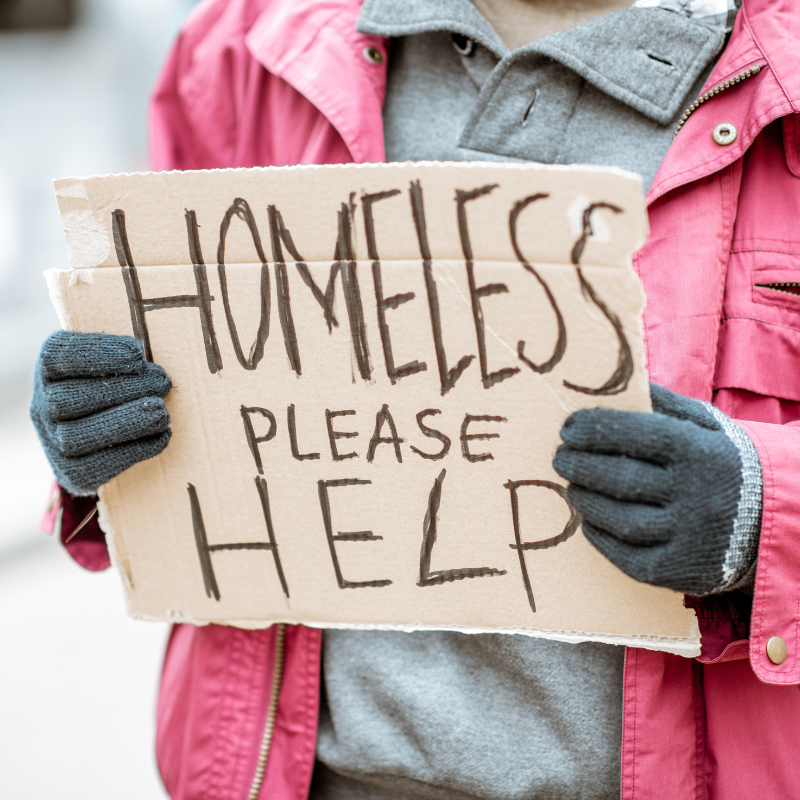
This training class will address the nature and levels of homeless; changing legal issues; environmental safety issues; employee safety issues; at-risk homeless populations; empathic communication tools and skills for encounters with the homeless; firm, fair, consistent, assertive, and reasonable treatment; your Code of Conduct; the small population of predatory homeless people; and providing services to homeless people in need with dignity, empathy, and patience.
Being homeless is a complex social problem that impacts the quality of life in our communities. There are no easy solutions. Much of it is created by affordable housing shortages, chronic unemployment, mental illness, substance abuse, and changes in our mental health laws that have made the concept of being “gravely disabled” difficult to interpret. But most individuals who become homeless for the long term have either created or been victimized by a large number of failed relationships, including family members; their children; friends; their employers; landlords; healthcare and social services agencies; and law enforcement.
The homeless individuals who seem to cause the most problems with their behaviors are often discovered to have undiagnosed autism issues. This means that they can be rude and confrontation, over and over, during each encounter with an employee, because they can’t learn the necessary social cues to comply and follow the rules, laws, or our library Codes of Conduct or policies.
Some issues associated with homeless populations are criminal in nature but difficult to enforce. While being homeless is not a crime, many kinds of public conduct in or around the library are illegal and should be reported to local law enforcement. These include being intoxicated, fighting, trespassing, aggressive panhandling, soliciting, urinating/defecating in public, consuming alcoholic beverages in the library, camping or sleeping outside the library, littering, obstructing sidewalks, living in a vehicle parked in a posted library parking lot, disturbing the peace, behaving in a threatening manner and more. Library staff should be mindful of their safety and security when dealing with certain parts of this population.
